Mountain Culture
A distinct mountain Freemen culture developed on Alberta’s Eastern Slopes through generations of fur trade families, where French, Scottish, Iroquois, Métis, and Indigenous histories became deeply connected. Over time, these relationships gave rise to a unique mountain society shaped by resilience, skill, independence, and a strong connection to the land.
The fur trade era brought many hardworking and adventurous men westward, including Scots from Highland and Orkney backgrounds. Throughout the 1800s, individuals such as James Findlay, Picinah Findlay, Colin Fraser, Louis Loyer, and Henry John Moberly became part of the foundation of a mountain culture that has flourished on Alberta’s Eastern Slopes for more than 200 years.
The spirit of the Freemen remains visible today in the social and cultural fabric of the Rockies. Rustic backcountry lodges, bed and breakfasts, horseback outfitters, traplines, and adventure-based tourism operations are still owned and operated by descendants of these early mountain families. Willmore Wilderness Park and Jasper National Park were, and remain, part of the homeland and working landscape of Freemen families and their descendants.
Visitors to the Jasper and Willmore Wilderness regions can still rediscover the stories and local legends of people such as Louis Karakuntie, Ignace Wanyandie, Jacco Findlay, Tête Jaune (Yellowhead), Louis Loyer, David Thompson, Colin Fraser, Henry John Moberly, and Adam Joachim. The fur trade legacy remains deeply rooted in the families of this mountain region.
Descendants of early mountain families include names such as Agnes, Berland, Cardinal, Delorme, Desjarlais, Findlay, Gauthier, Joachim, Karakuntie, Kenny, McDonald, Moberly, Thappe, Plante, and Wanyandie.
Fur Trade Influence on Place Names
Many place names in the Yellowhead and surrounding mountain region reflect the legacy of the fur trade and the people who travelled, worked, and lived here. These include:
– Yellowhead
– Jasper
– Grande Cache
– Pierre Grey’s Lakes
– McLeod River
– Smoky River
– Brazeau River
– Cardinal River
– Tête Jaune
– Leather Pass
– Adolphus Lake and Adolphus Flats
– Mount Robson
– Colin Range
– Roche Miette / Miette Range / Miette Hot Springs
– Moberly Lake and Moberly Homestead
– Sulphur River
– Kakwa River
– Big Grave / Little Grave
– Deadman Creek
– Thappe’s Grave
– Moose Lake / Moosehorn Lake
– Snaring River
– Snake Indian River
– Adam’s Creek
– Kvass Creek / Kvass Flats / Mount Kvass
– Mountain Trail / Indian Trail
These names—and many others across the region—reflect a living mountain heritage that continues to shape the identity, stories, and traditions of Alberta’s Eastern Slopes.
The language of the families that lived in Jasper House was French
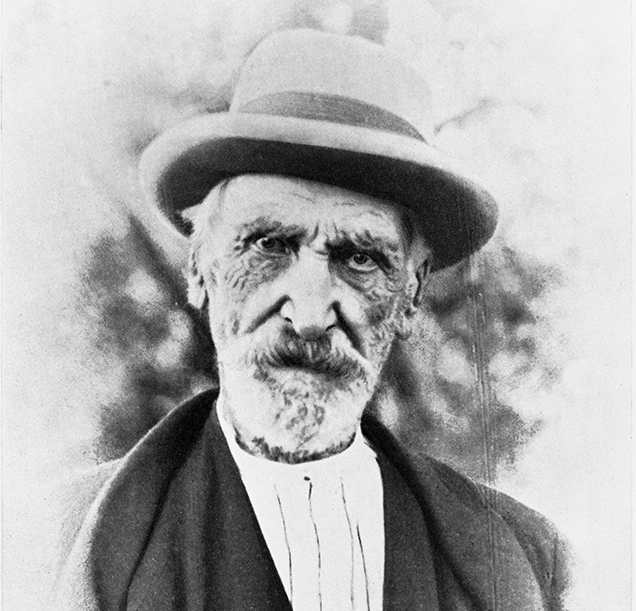
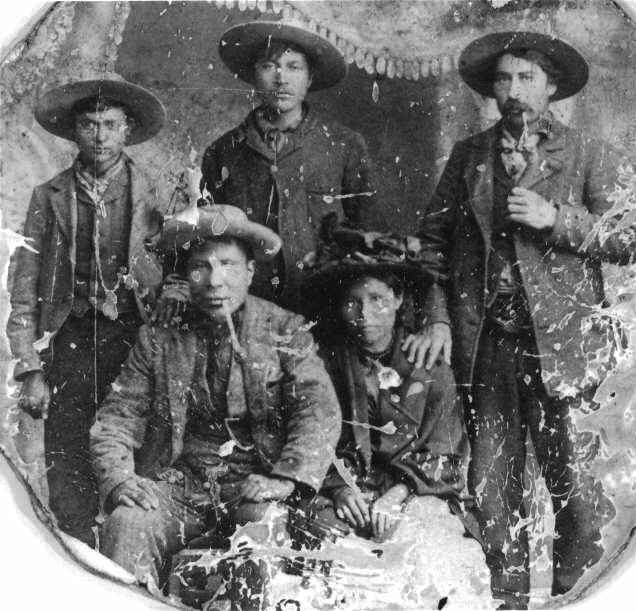
In 1906 the Canadian Government completed another census in the Athabasca District.
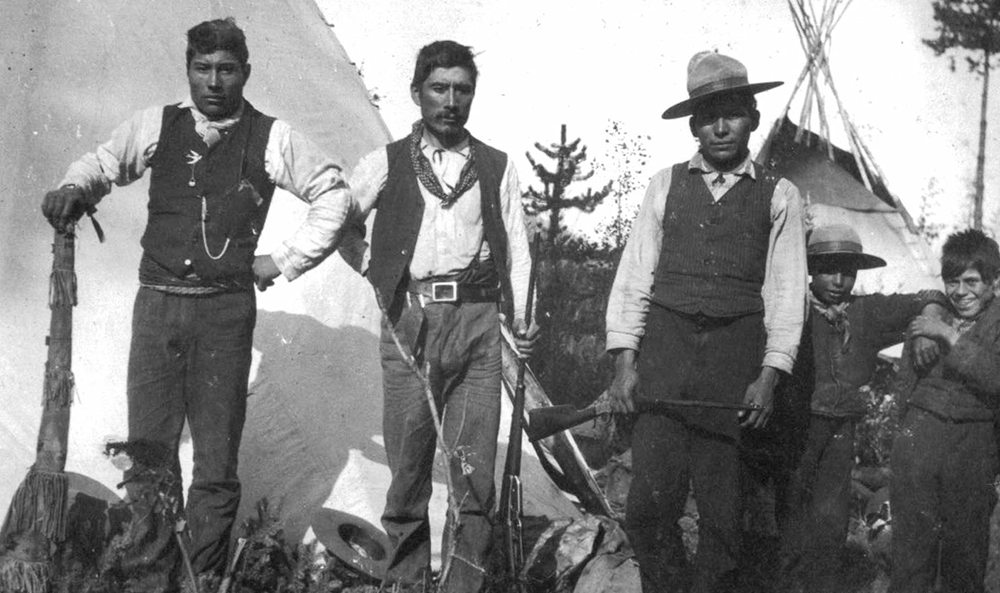
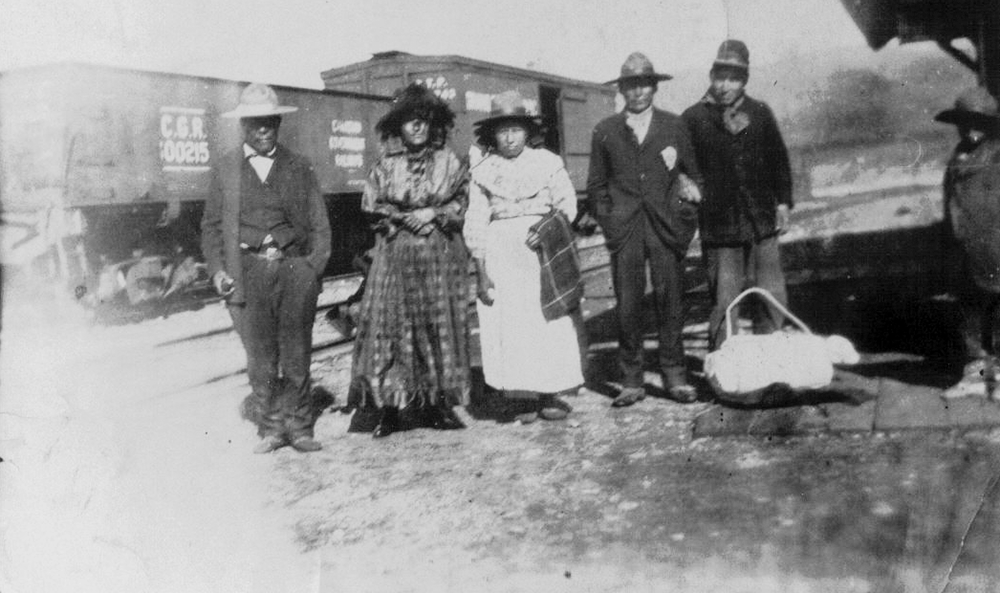
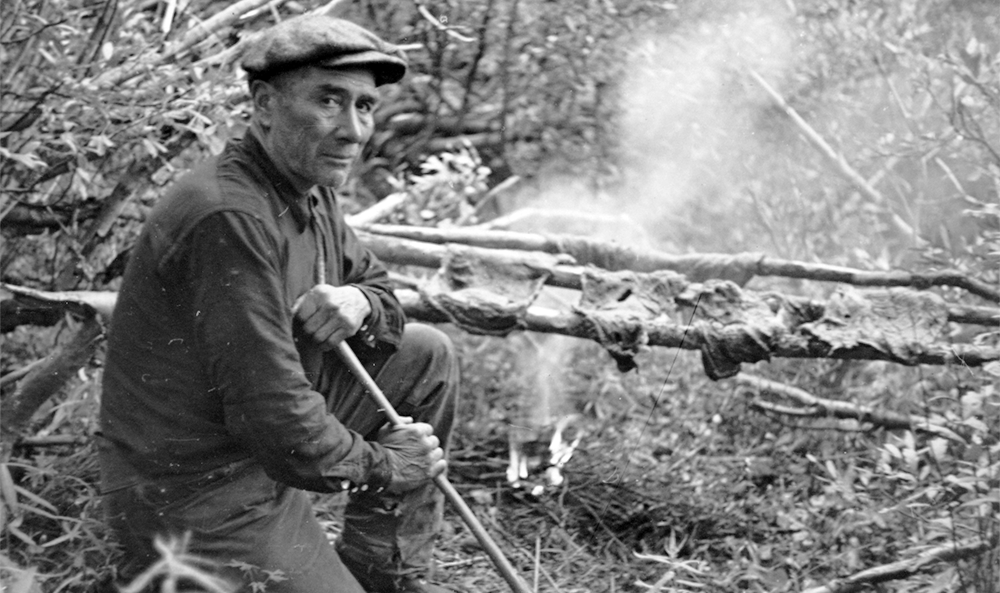
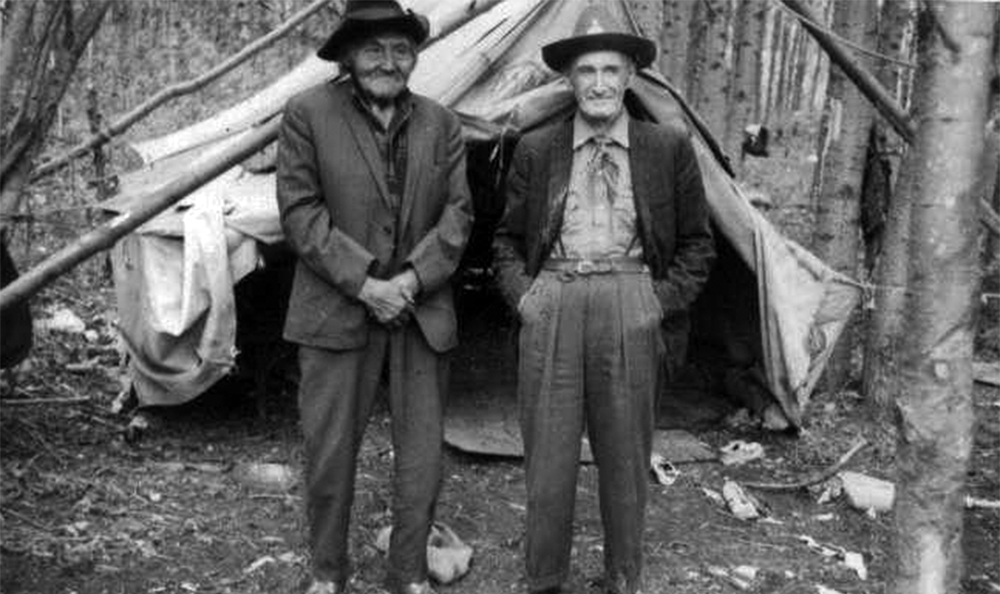
Images of the Jasper Community in the late 1800s & early 1900s.
These people were guides & outfitters for a horseback culture on Alberta’s eastern slopes.
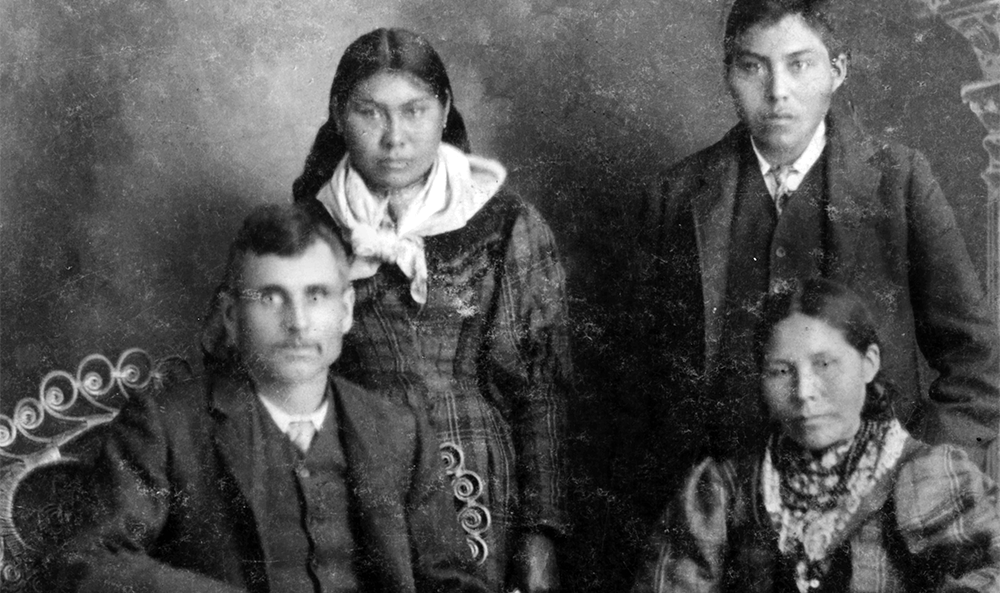
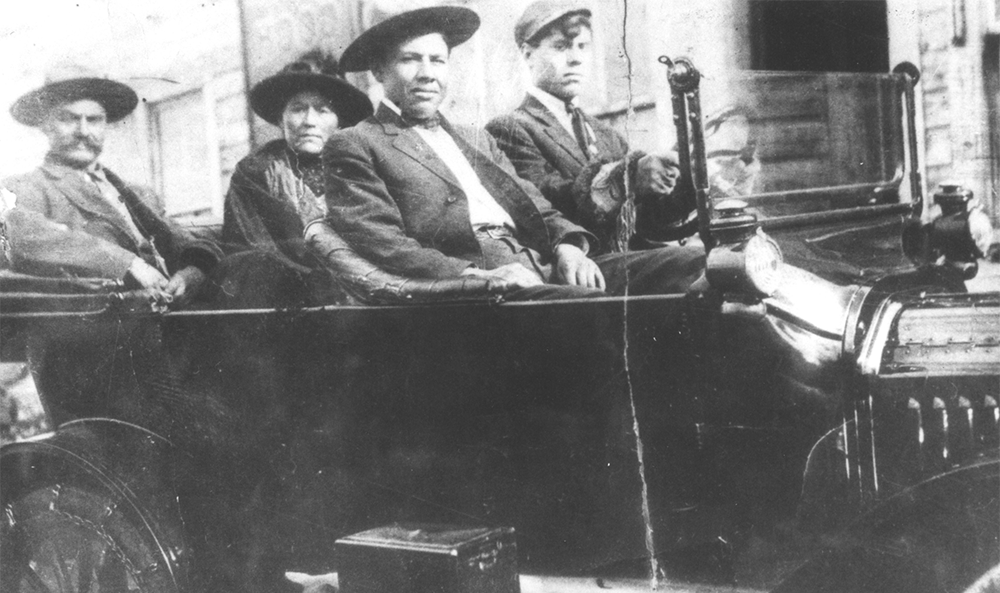
Photo courtesy of the Jasper Yellowhead Museum and Archives