
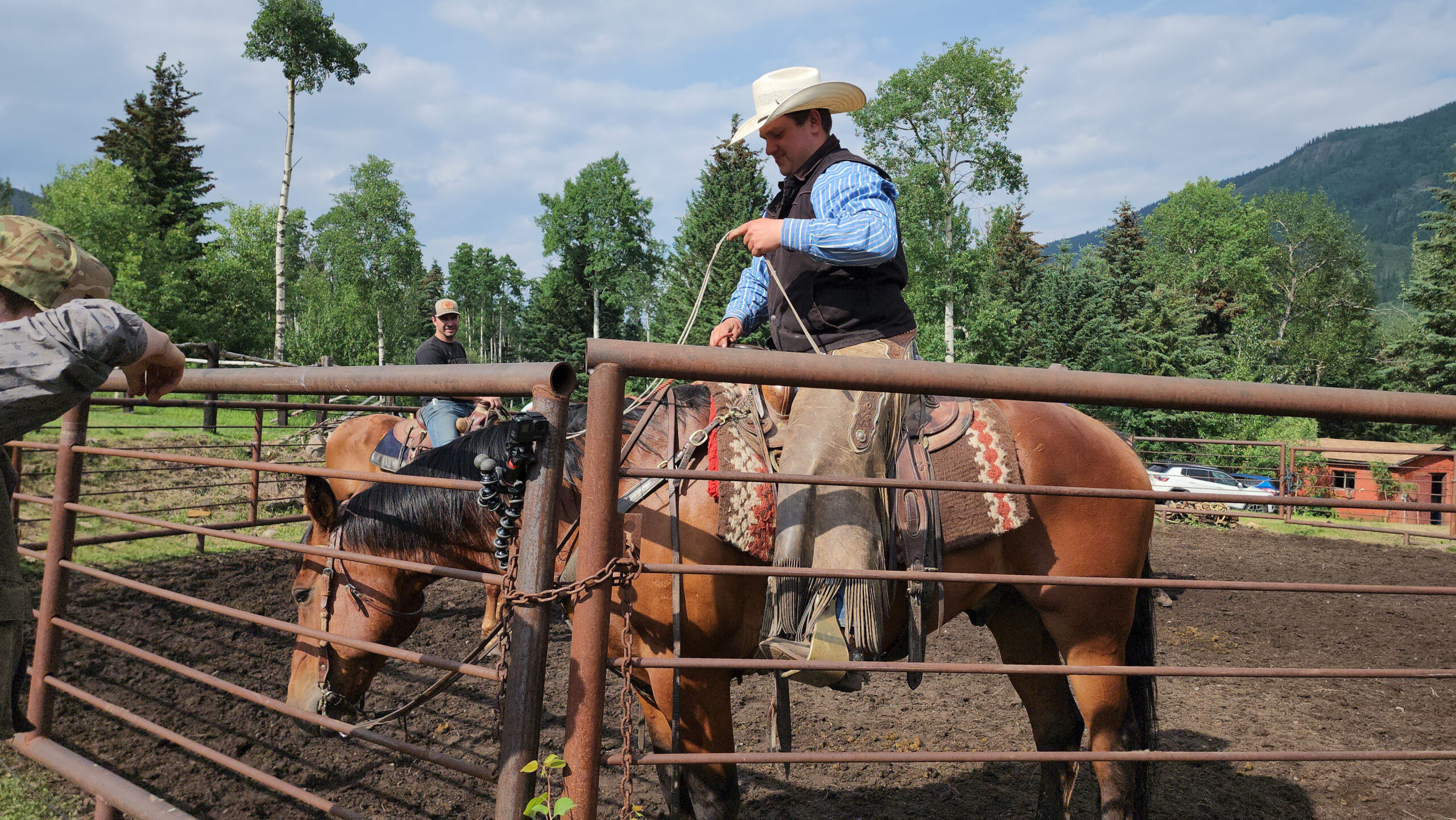
Mountain Horsemanship
Wild horses running freely are not only part of Alberta’s Eastern Slopes landscape—they are also part of its culture and distinctive history.
An article from Alberta’s Archaeological Survey noted that fossilized horse bones dating back approximately 10,000 years have been found north of Willmore Wilderness Park. In addition, a 700,000-year-old horse skull discovered in the permafrost of a Yukon gold mine yielded a complete genetic profile, breaking scientific records and providing new insights into horse evolution.
It is no wonder, then, that horses and people came together to explore the Canadian Rocky Mountain passes and help find routes to the Pacific Ocean during the early 1700s. Horses have been part of the Rocky Mountain landscape for time immemorial.
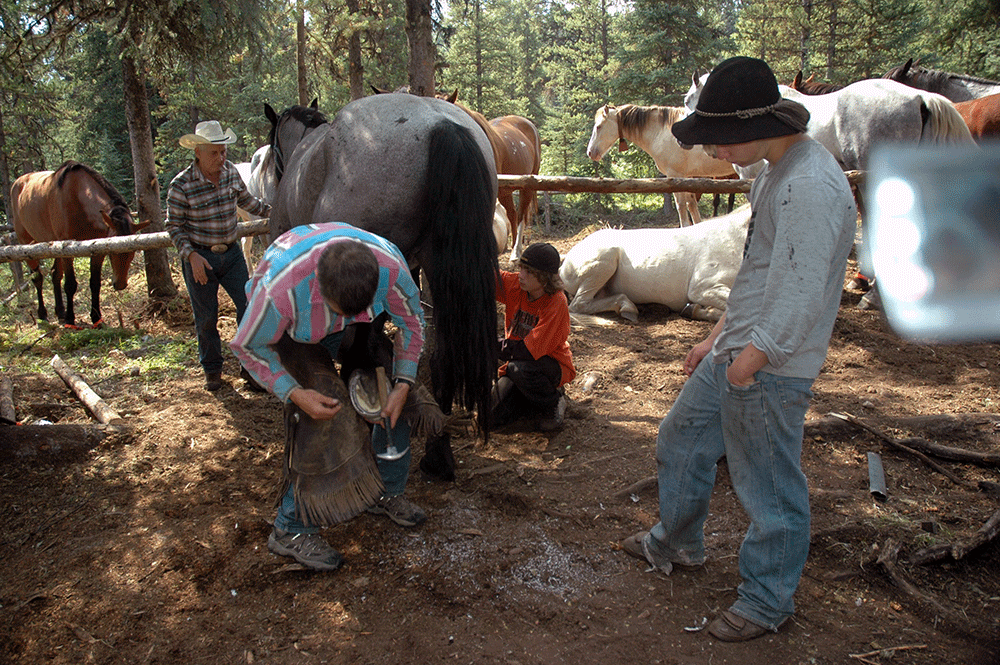
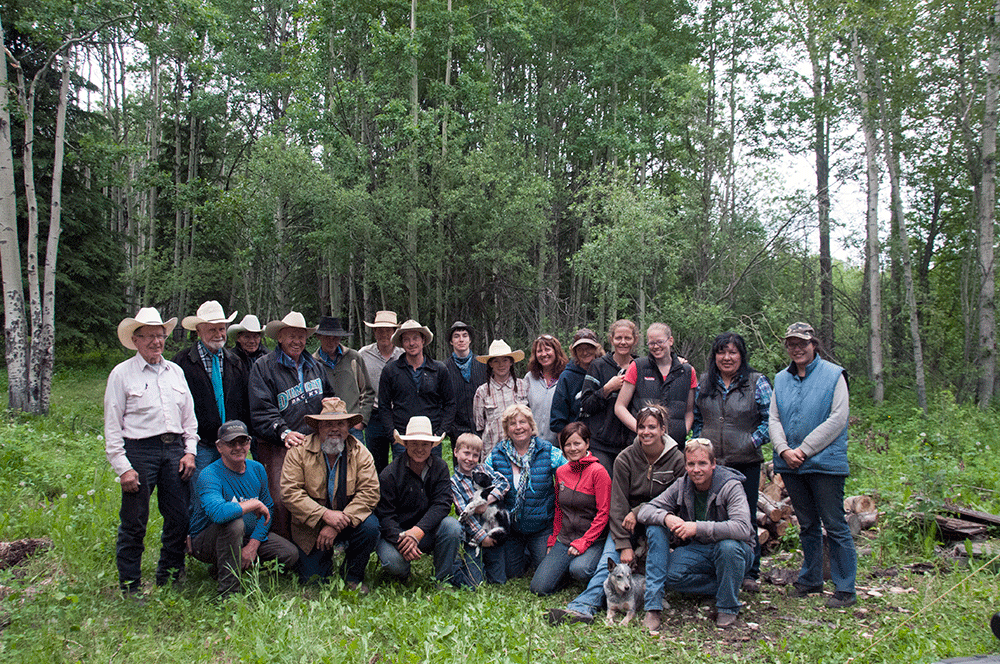
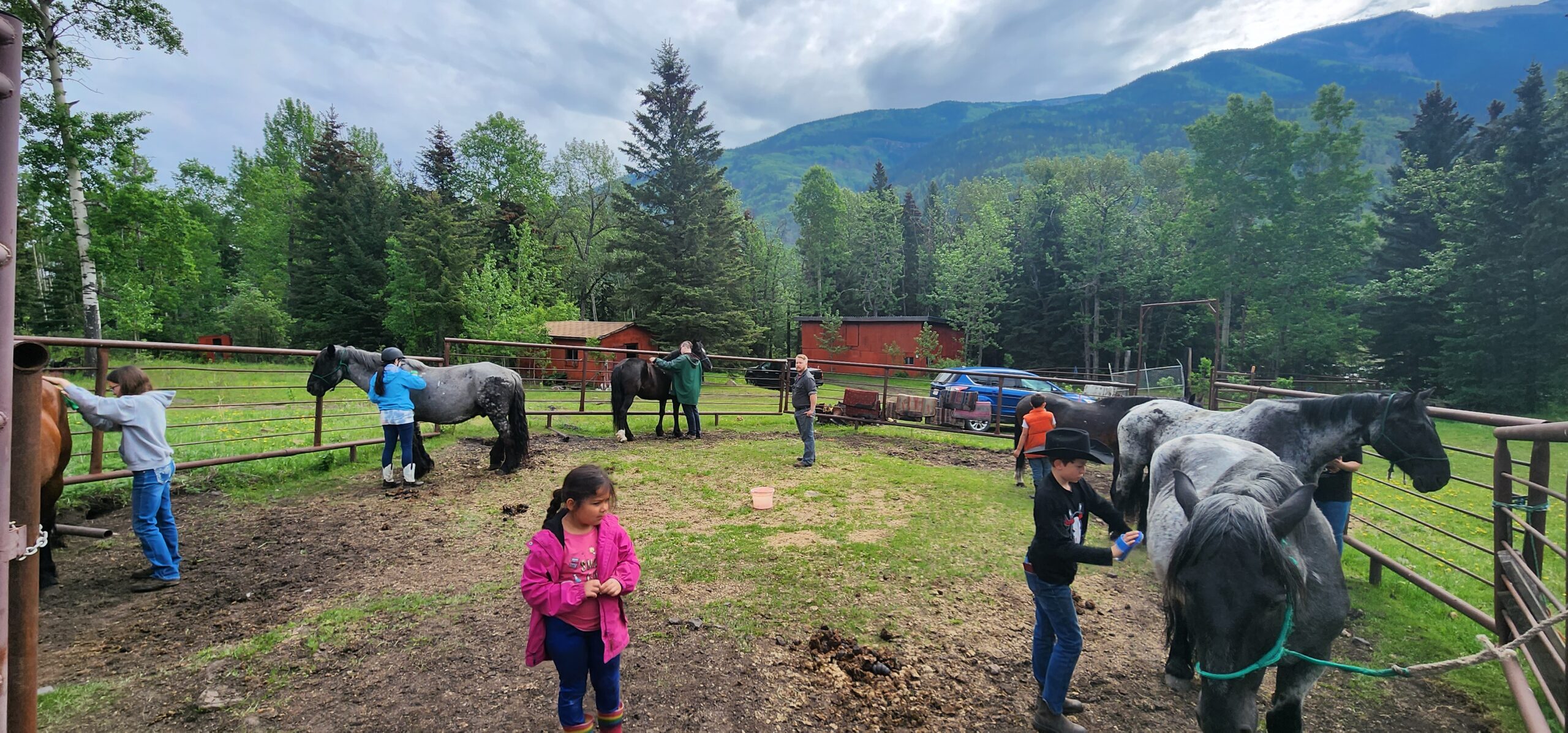
The Willmore Wilderness Foundation is working to preserve this history, these traditions, and this culture so future generations can continue to enjoy the horseback way of life. The traditions of mountain horseback culture are at risk of being lost. Since its formation in 2002, the Willmore Wilderness Foundation has focused on educating youth—and anyone else who wants to learn—in traditional mountain skills.
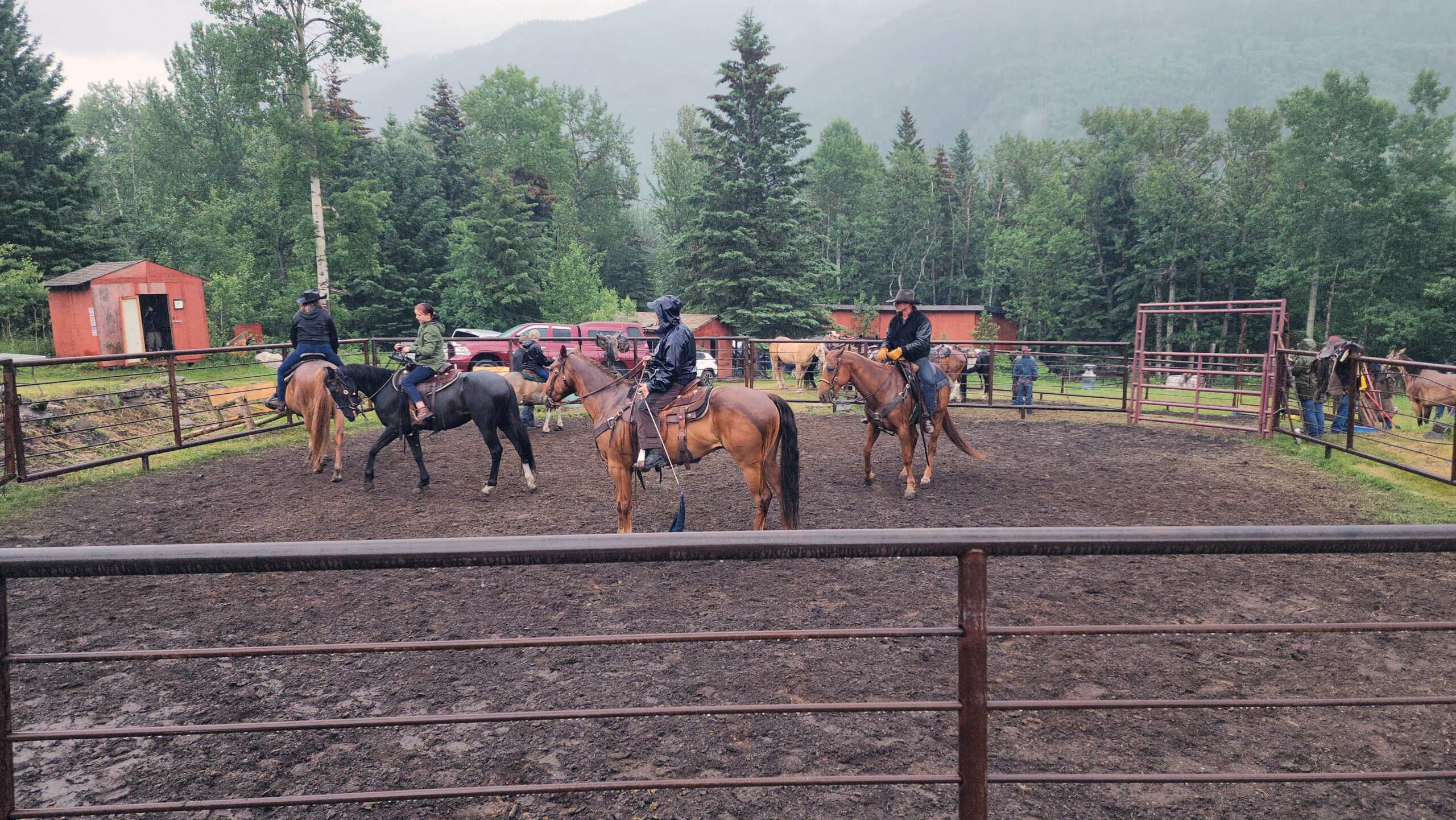
The Foundation has promoted mountain horsemanship clinics, including training from starting colts through to the finished horse. These clinics teach participants how to start young colts from horseback and work with horses in a mountain environment.