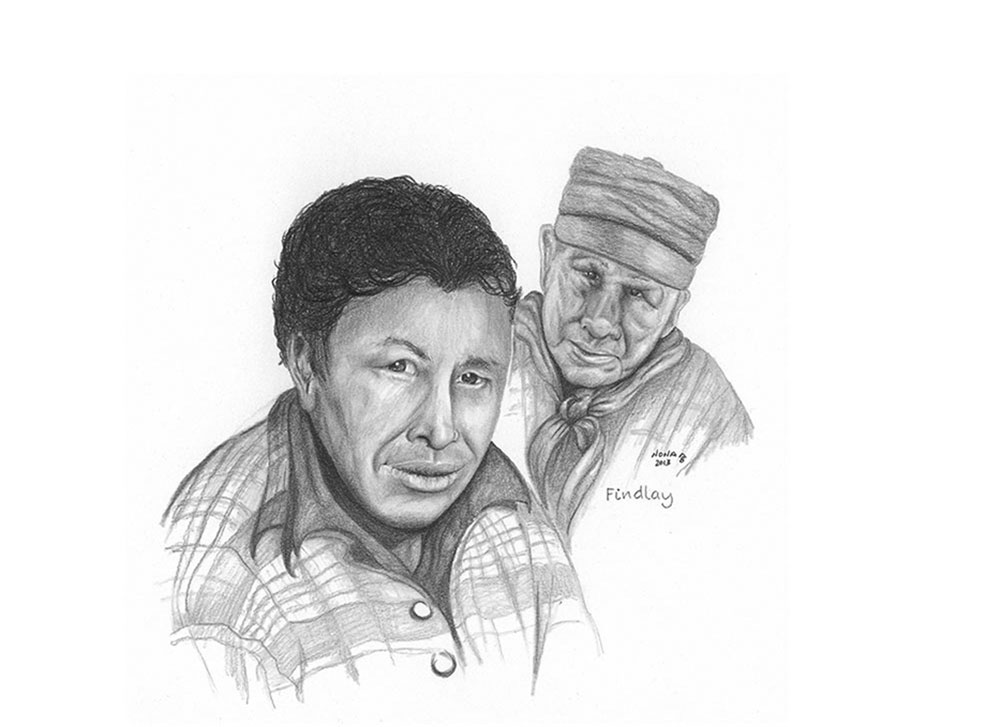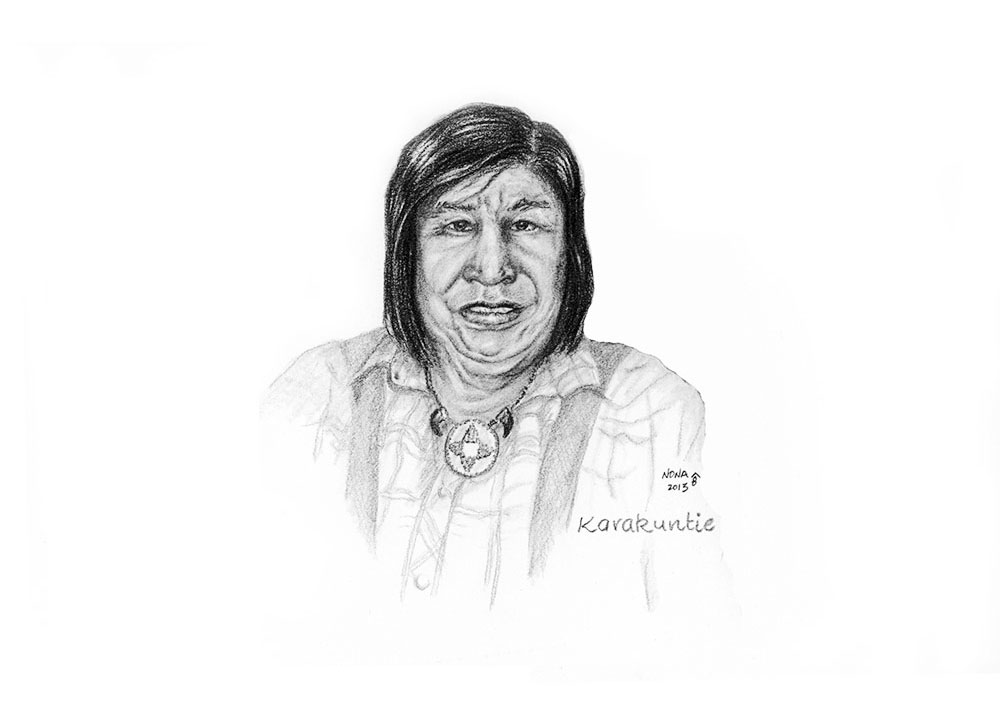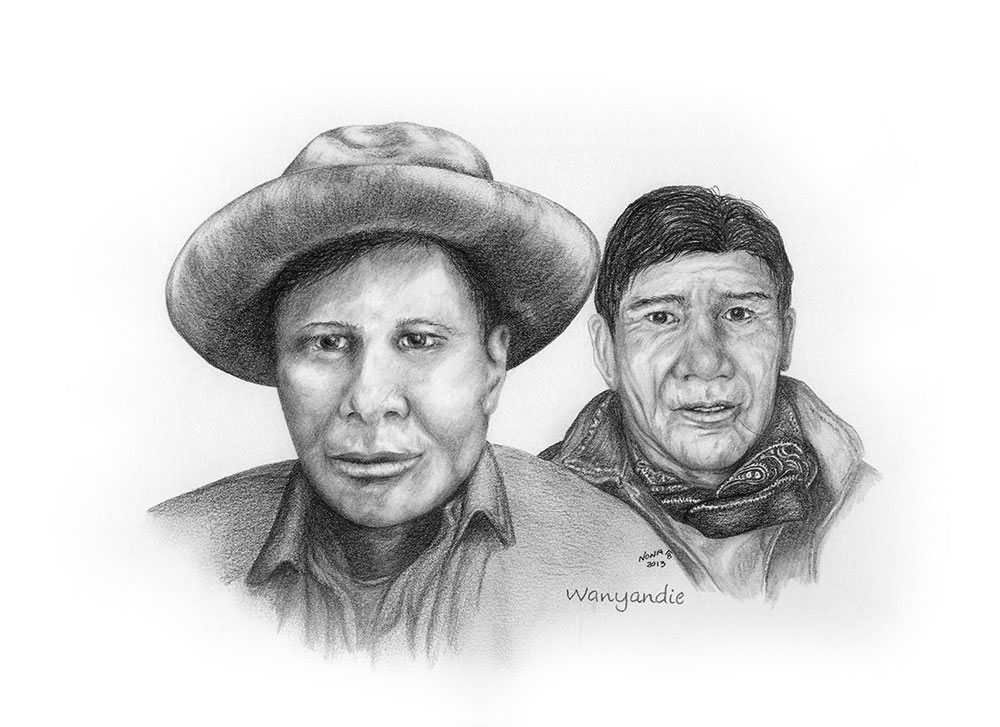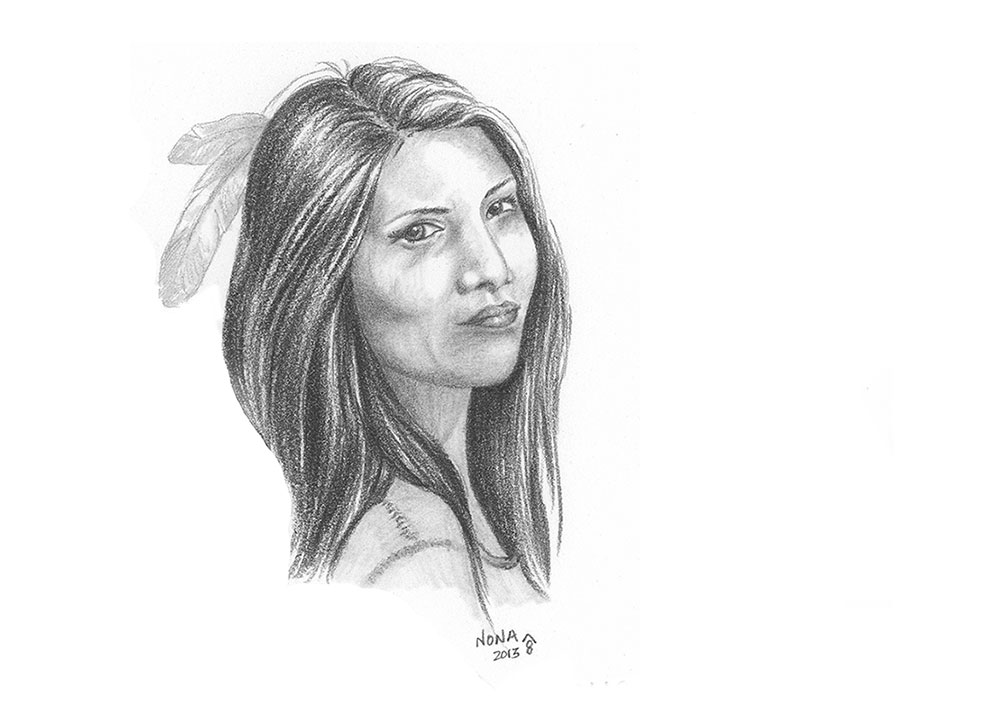
Images are from the Library and Archives Canada (LAC)
The History: An Untold Story of How The Canadian West Was Opened
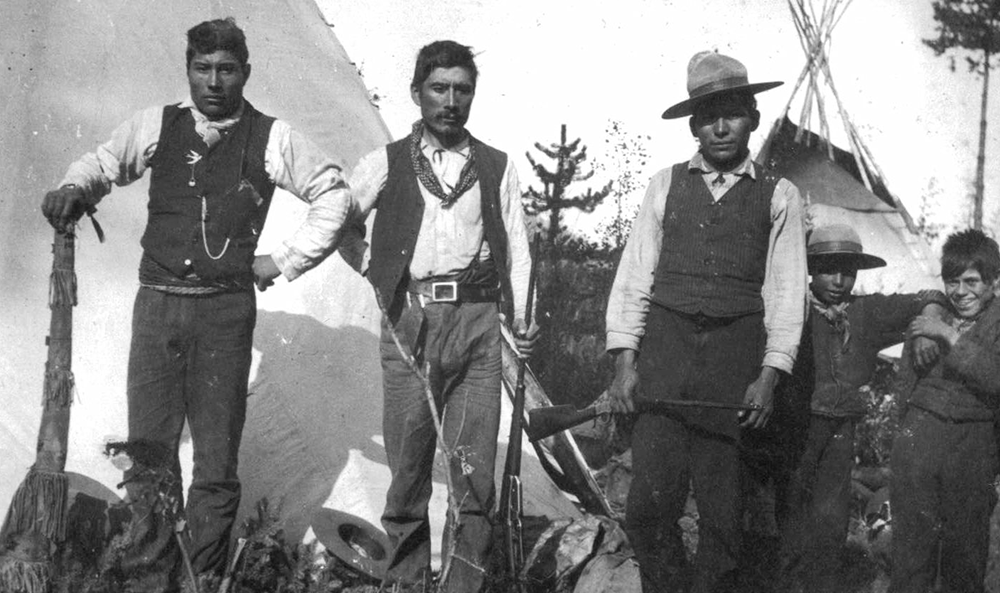
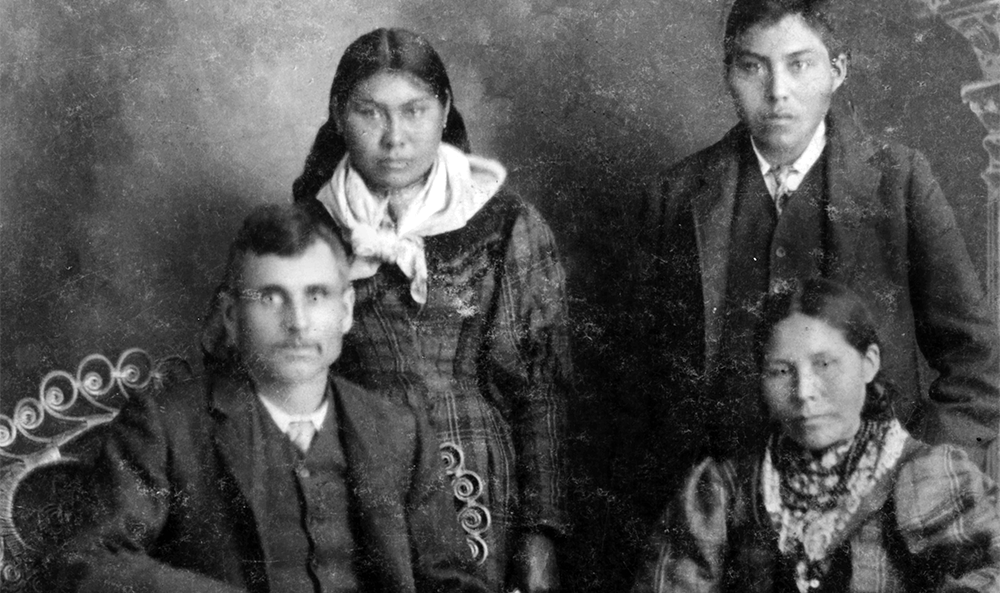
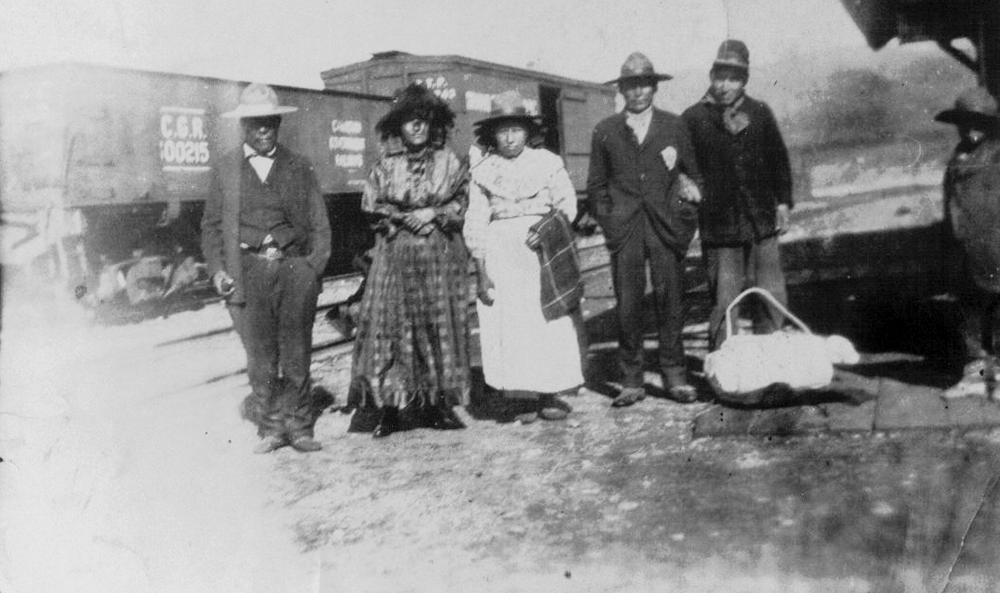
Historical records indicate that some of the first Iroquois hunters arrived from the Montreal, Quebec area in the 1790s as employees of the fur trade companies. After completing their contracts, some chose to remain in the West. One group settled east of present-day Jasper and maintained friendly relations with local Shuswap people. Over time, Iroquois families expanded their range into the mountains and into the Grande Prairie and Peace River regions.
Many families remained in the Athabasca Valley until 1910, when Jasper National Park was created and Métis families were evicted from the area. These Iroquois and Métis families then moved to Grande Cache, Grovedale, Nose Creek, and other communities, where many of their descendants remain today.
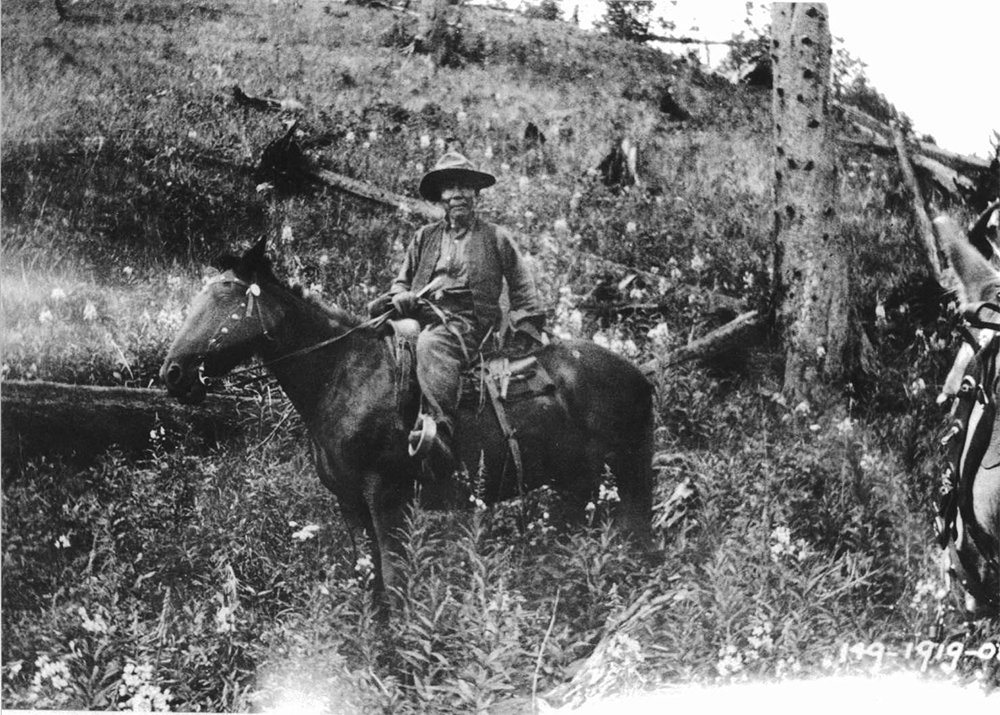
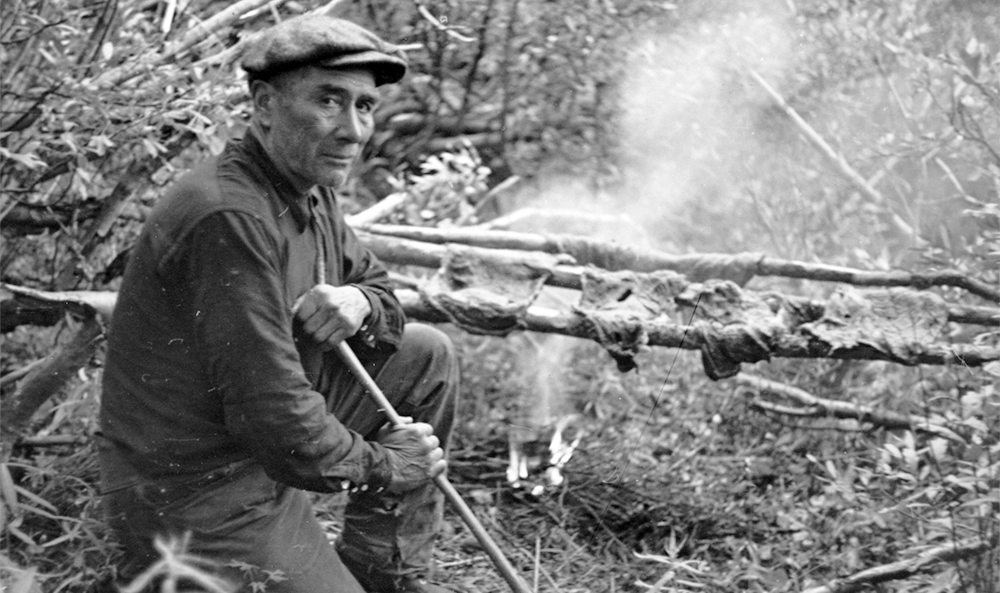
Ignace Wanyandie and Louis Karakuntie were among the early Iroquois voyageurs who travelled west with the North West Company. Ignace Wanyandie was married to Marie Walker, a Métis woman. Ignace and Louis worked as canoe and boatmen paddling up the Athabasca River, and later settled in the mountains as horsemen and packers.
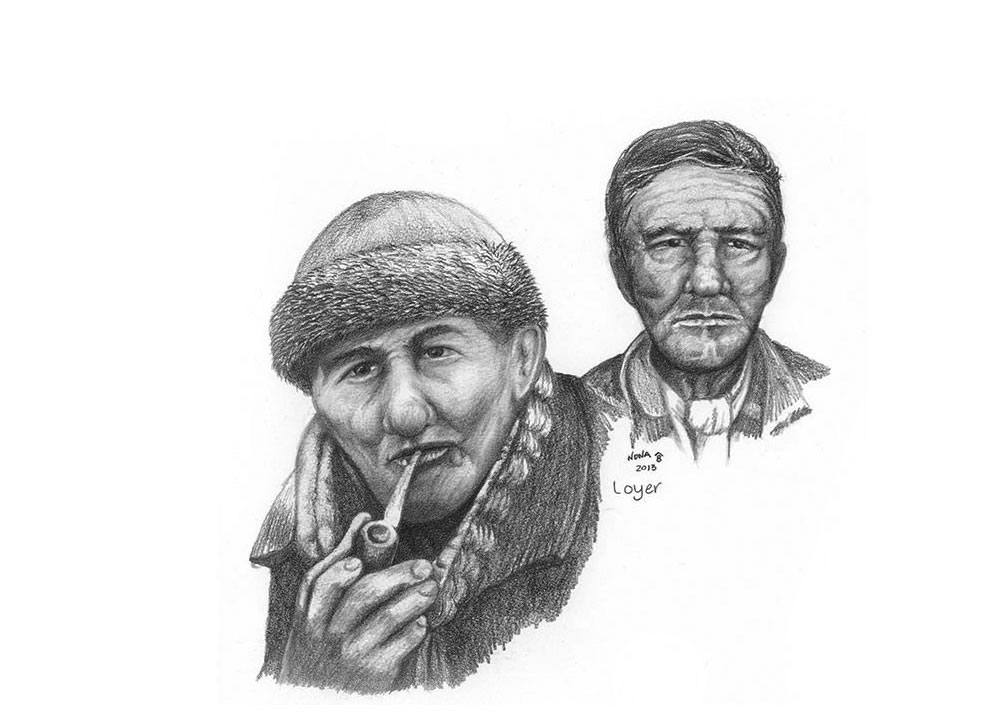
North West Company records also show that Ignace Wanyandie’s co-workers and fellow voyageurs in the Athabasca District, as early as 1804, included Charles Loyer, Pierre Delorme, Jasper Hawes, and Jacques L’Hirondelle. Company employees included French-Iroquois Métis and other people of mixed ancestry, including the legendary Tête Jaune (Yellowhead), as well as his son and grandson, Louis Loyer Sr. and Louis Loyer Jr.
There were also Scots-Métis families, such as Jacco Findlay and his sons, Picinah and James Findlay. Descended from fur trade leaders, they later worked as independent fur buyers. Jacco himself was a fur trade factor (boss). He and his sons became known as Freemen, bringing vitality and a distinct character to the rugged foothills.
Freemen, known as Otipemisiwak—“those in charge of themselves”—were among the first independent businesspeople in the Canadian Rockies. They travelled throughout what are now Jasper National Park, Willmore Wilderness Park, Kakwa Wildland Provincial Park, and British Columbia’s Kakwa Provincial Park.